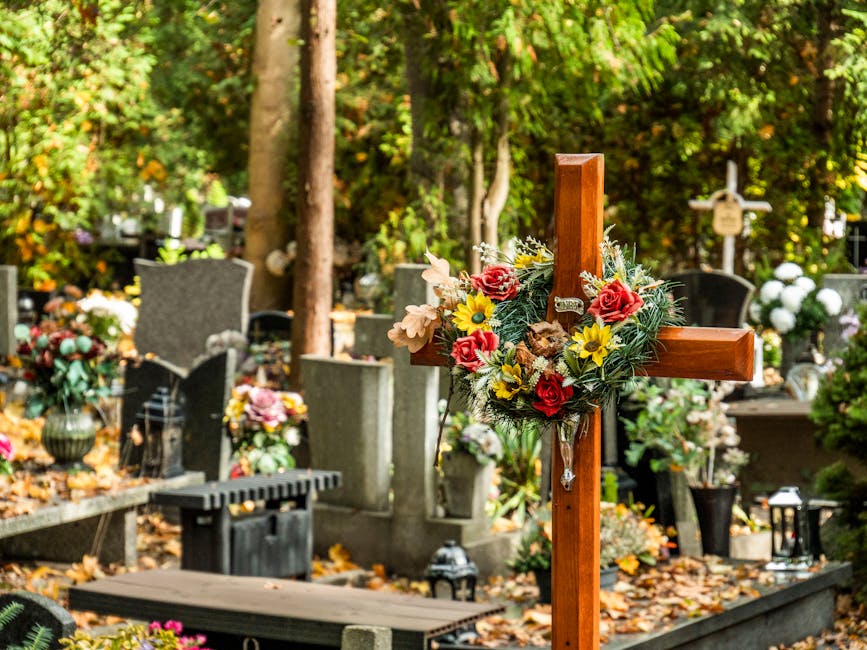
Safe disposal rules for funeral flowers in Camden Council area
Posted on 03/10/2026
Funeral flowers carry a lot of meaning. They arrive with sympathy, memory, and often a very specific message that matters to the family. But once the service is over, the practical question usually lands quietly on someone's shoulders: what should happen to the flowers now? If you are trying to follow safe disposal rules for funeral flowers in Camden Council area, you are probably looking for clear, respectful guidance rather than a pile of vague advice. Fair enough. That is exactly what this article is for.
In Camden, as in most parts of London, the "right" answer depends on where the flowers are, whether they include plastics or foam, and whether they can be reused, composted, or need to go into general waste. There is no need to overcomplicate it, but there is a right way to think about it. Below you will find a practical breakdown of how to handle funeral flowers safely, what to avoid, and how to make decisions that are respectful, tidy, and sensible for the household or venue involved.
One small thing before we begin: if the flowers are part of a wider sympathy arrangement, you may also find it useful to understand how long they keep, how to care for them first, and what can be repurposed. For that, the site's flower care guidance can help you keep arrangements presentable a little longer before disposal, if that is appropriate.
Table of Contents
- Why the safe disposal rules matter
- How disposal usually works in Camden
- Key benefits and practical advantages
- Who this is for and when it makes sense
- Step-by-step guidance
- Expert tips for better results
- Common mistakes to avoid
- Tools, resources and recommendations
- Law, compliance, standards, or best practice
- Options, methods, or comparison table
- Case study or real-world example
- Practical checklist
- Conclusion
- Frequently asked questions
Why Safe disposal rules for funeral flowers in Camden Council area Matters
Funeral flowers are not just ordinary household waste. They often arrive in layers: stems, ribbon, cellophane, florist foam, wires, cards, pots, trays, or decorative wrapping. That mix can create real confusion if you are standing in a kitchen or side room after a funeral and trying to sort everything out before the bin day. You do not want to make the wrong call in a rush, and truth be told, most people do not know where to start.
Safe disposal matters for three reasons. First, it reduces avoidable mess and contamination. Fresh stems and wet foam can leak, create odour, and attract pests if left too long. Second, it keeps recyclable and compostable parts separate from non-recyclable material. Third, it helps you handle the arrangements respectfully, which matters deeply in bereavement situations. When you are dealing with an emotional day, clear practical steps really do help.
There is also a local angle. Camden is a dense urban borough, so waste storage space is usually limited and shared bins may be involved in flats, care homes, places of worship, funeral venues, or offices. That makes neat separation and timely disposal even more useful. In a small flat off a busy road, for example, there is not much room to leave a large wreath soaking in water for long. You need a plan, not guesswork.
Expert summary: The safest approach is to separate the arrangement into parts, remove non-compostable materials where possible, and dispose of each component according to its material type and local waste system. Keep it simple, but do it properly.
How Safe disposal rules for funeral flowers in Camden Council area Works
At a practical level, the process is about identifying the materials in the tribute and deciding what can be reused, composted, recycled, or placed in general waste. Most funeral flower arrangements fall into one of a few common formats: hand-tied bouquets, sprays, wreaths, baskets, casket sprays, lettering tributes, or potted sympathy plants. Different formats behave differently when they are ready to be cleared away.
A bouquet wrapped in paper and tied with ribbon is usually the easiest to break down. A wreath or tribute on a foam base is more complicated because the foam itself is usually not recyclable in normal household collections. A planted arrangement may be simpler again, as the flowers can be removed and the pot kept or reused. If you have ever stood there holding a tribute and wondering, "What part am I actually throwing away here?", that is the right question to ask.
In Camden, the key is not to treat everything as one item. Separate the flowers from the container, the card from the wrapping, and the compostable plant material from hard plastics or floral foam. If the tribute includes a cardboard base, that may be recyclable only if it is clean and dry. If it is soaked, contaminated, or covered in glue, it may have to go into general waste. Not glamorous, but that is how the real-world sorting works.
Where possible, a florist can often advise on how an arrangement was built. That matters because some funeral tributes use hidden supports, florist tape, wire frames, or water-retaining materials that are not obvious at first glance. If you are unsure, handle the arrangement gently and do not force parts apart. Wet foam, sharp wire ends, and broken stems can be unexpectedly awkward. A little care saves a lot of faff.
Key Benefits and Practical Advantages
Following a sensible disposal process is not just about compliance or tidiness. It actually makes the whole aftermath easier to manage. Here are the main practical advantages.
- Less mess: separating wet stems, packaging, and foam stops leaks and soggy waste building up.
- Better hygiene: old water, rotting petals, and foliage can smell unpleasant and draw insects.
- More respectful handling: funeral flowers are treated carefully rather than dumped in a hurry.
- Better recycling potential: dry paper, card, and some containers can be sorted more cleanly.
- Lower waste volume: when you dismantle an arrangement, you often reduce what goes to general waste.
- Less stress: having a simple routine makes a difficult moment slightly easier. Not by magic, obviously, but enough.
There is also a household benefit that people sometimes overlook. If several floral tributes arrive at once, waste can build up quickly. A methodical approach keeps the area calm and usable, especially after a wake or family gathering when there are already plenty of moving parts.
For those who receive flowers regularly in a professional setting, the same logic applies. A chapel, care home, community hall, or office may need a consistent disposal routine so that staff are not improvising each time. That is where a little preparation pays off.
Who This Is For and When It Makes Sense
This guidance is for anyone who has to deal with funeral flower disposal in the Camden area. That may sound obvious, but in practice it covers quite a wide group: family members, executors, venue staff, funeral directors, care home teams, church or chapel volunteers, and even neighbours helping out after the service.
It makes sense to use this approach when the flowers are past their best, the service is over, the family has taken any keepsakes, or the venue needs to clear the space for another event. It is also useful if you have received multiple tributes and need to decide which items can be saved. For example, a family might keep a ribbon, a card, or a few blooms from a wreath, then dispose of the rest properly the same day.
There are also moments when you should pause rather than rush. If a tribute is attached to a formal memorial event, if the family wants to collect it later, or if the flowers are still being displayed in a chapel or reception room, wait until the right person has made the decision. Respect first. Waste sorting second. That order matters.
And yes, if you are the person everyone turns to with "Can you just deal with this?" you are not alone. People quietly become the flower person without meaning to. Happens all the time.
Step-by-Step Guidance
Here is a clean, practical way to handle funeral flower disposal without making it a bigger job than it needs to be.
- Check whether the family wants anything kept. Look for cards, ribbon, charms, printed messages, or a few sentimental flowers.
- Move the arrangement to a clear surface. A kitchen table, utility area, or sheltered outdoor space works best.
- Separate reusable items first. Keep cards, keepsakes, ribbon, tags, or items requested by relatives.
- Remove non-plant materials. Plastic wrap, tape, wires, ties, foam, pins, and decorative picks should be taken off carefully.
- Sort the plant material. Fresh flowers, leaves, and stems may go to compost if your system accepts them and they are free from contamination.
- Decide on the container. Vases, baskets, trays, and pots may be reusable, recyclable, or general waste depending on what they are made from and whether they are clean.
- Bag the waste neatly. Use a sturdy bag for wet or mixed waste so you do not end up with drips on the floor or in a communal bin store.
- Dispose on the right day. If the waste is smelly or damp, do not leave it sitting around waiting for "later in the week". Later tends to become a problem.
If you are dealing with several tributes at once, work one arrangement at a time. That keeps the process calmer and helps avoid accidentally throwing away something meaningful. A second pair of hands can help too, especially when ribbons, cards, and small keepsakes are involved. Quietly, it saves time.
A useful real-life tip: take a quick photo before you dismantle anything. If there is a floral tribute you might want to recreate, or if multiple family members need to agree on what to keep, a photo can save a lot of back-and-forth later.
Expert Tips for Better Results
Little habits make funeral flower disposal safer and more efficient. These are the details people often miss.
- Dry first if you can. Let excess water drip off before bagging the stems or foam. Wet waste is heavier and messier.
- Use gloves for thorny or wired arrangements. Not essential every time, but helpful for roses, wreath frames, and tribute structures.
- Watch for hidden florist foam. Foam can be tucked inside bases, baskets, or letter tributes and is easy to miss.
- Keep compostables clean. If flowers are tangled with plastic or tape, separate them before adding to organic waste.
- Be careful with lilies and scented flowers indoors. Wilted pollen can mark surfaces and strong scent can linger in small rooms.
- Reuse what is still useful. Some vases, baskets, and pots can be washed and kept for future use.
If you are sorting flowers in a chapel, reception room, or home after a long day, pace yourself. You do not have to do everything at once. A few minutes here, a few minutes there. That is often enough. The practical part gets easier once you have started.
One more thing: if the arrangement includes a special tribute shape or lettering, do not pull it apart too aggressively. Wire stems and hidden supports can poke through, and nobody wants an unexpected scratch while clearing flowers after an emotional day.
Common Mistakes to Avoid
Most disposal mistakes are simple ones, but they can create avoidable mess or waste. Here are the ones worth watching out for.
- Dumping everything together: flowers, plastic wrap, foam, ribbon, and card all in one bag makes sorting harder and less environmentally sensible.
- Leaving wet arrangements too long: old water and decaying stems smell quickly, especially in warm rooms.
- Forgetting about hidden materials: floral foam, wire frames, and plastic picks are easy to overlook.
- Throwing away keepsakes by mistake: cards and ribbon messages often get lost in the rush.
- Trying to recycle contaminated items: wet paper, glued card, or dirty packaging may not be suitable for recycling.
- Ignoring local bin rules: shared bin areas, flats, and managed buildings often have specific collection arrangements.
A very human mistake, by the way, is assuming the flowers are "just flowers" and therefore easy to deal with. They rarely are. There is nearly always one sneaky bit of packaging hiding underneath. Nearly always.
If you are unsure, slow down and sort the arrangement piece by piece. That one habit removes most of the guesswork.
Tools, Resources and Recommendations
You do not need specialist equipment to dispose of funeral flowers safely, but a few basic items make the job easier.
- Disposable or washable gloves: useful for sharp stems, damp waste, and wire.
- Scissors or secateurs: helpful for cutting stems and removing ties.
- Sturdy waste bags: especially if the arrangement is wet or large.
- Clean container or tray: to keep reusable cards, ribbons, or keepsakes together.
- Rags or paper towels: for spills, drips, and quick clean-ups.
- Compost bin or green waste container: if you have a local route for organic material.
For flowers that are still presentable but no longer needed as a memorial tribute, you might also want to think about whether some blooms can be rearranged or repurposed. A simple vase arrangement can sometimes be turned into a smaller display, and the site's funeral flowers collection gives a useful sense of the tribute types that are commonly made in the first place, which can help you understand the structure you are dismantling.
If you are dealing with a large amount of flower waste from a service, it can also help to compare tribute types before ordering in the future. Families sometimes choose a simpler arrangement next time once they realise how much packaging and support material comes with more complex designs. A practical lesson, learned the hard way, perhaps.
Law, Compliance, Standards, or Best Practice
For funeral flower disposal, there usually is not a special "Camden flower disposal law" that covers every detail in the way people sometimes expect. In practice, the main considerations are general waste handling, hygiene, nuisance prevention, and the rules of the building or collection system you are using. That means the safest approach is to follow normal UK waste best practice and any relevant local collection guidance for your property or venue.
In plain English, that means:
- do not leave damp floral waste in a communal area where it may smell or leak;
- do separate recyclable paper and card where they are clean and dry;
- do remove non-recyclable materials such as foam and plastic wraps;
- do not put contaminated recyclables into dry recycling if they are soaked or glued;
- do follow the disposal rules of venues, care homes, places of worship, and managed buildings.
If flowers are being removed from a funeral venue, you may also need to respect any instructions from the venue team or funeral director regarding timing and collection. Sometimes tributes are held for family collection; sometimes they are cleared at a set time. Best practice is simply to ask before touching anything that looks like it belongs to someone else.
For businesses or venues handling tributes regularly, it is sensible to keep a simple internal process: who removes the flowers, where they are sorted, which waste stream each material goes into, and who checks for keepsakes. That kind of routine reduces mistakes. It is boring, yes, but boring is good when the subject is already hard enough.
Options, Methods, or Comparison Table
If you are deciding how to handle funeral flower disposal, these are the main methods people use. The best choice depends on the arrangement type, your available space, and whether you have a compost or recycling route.
| Method | Best for | Pros | Limits |
|---|---|---|---|
| Composting | Fresh stems, leaves, petals, and other clean organic matter | Reduces waste, simple for plant material, environmentally sensible | Not suitable for foam, plastic, wire, or heavily contaminated items |
| Recycling | Clean paper, card, some containers | Helps separate useful materials from waste | Only works when items are dry and uncontaminated |
| General waste | Foam, mixed materials, dirty wrapping, wire, contaminated packaging | Safe fallback when separation is not possible | Less environmentally efficient, can fill bins quickly |
| Reuse or keep | Vases, pots, ribbons, cards, chosen blooms | Sentimental and practical, avoids needless waste | Requires care, storage space, and agreement from the family |
In many real situations, the right answer is a mixture of methods rather than one single route. For example, a wreath may become general waste for the foam and wire, while the card and ribbon are kept, and the outer cardboard sleeve is recycled if clean. A bit of sorting goes a long way.
Case Study or Real-World Example
Imagine a family in Camden receiving several funeral tributes after a church service on a damp afternoon. There are two wreaths, a bouquet, a sympathy basket, and a few cards tucked into the flowers. The living room is already crowded with coats, tea mugs, and guests saying their quiet goodbyes. No one wants a complicated waste job in the middle of that.
So they do it simply. First, they remove the cards and any ribbon messages and place them in a box for the family. Then they separate the bouquet stems from the wrapping paper. The fresh flowers are kept in a smaller vase for another day because they are still in good condition. The wreaths are dismantled carefully, with the foam and wire placed in general waste and the clean card sleeves set aside for recycling. The basket is kept because it is still useful and can be cleaned later.
Nothing dramatic. No grand plan. Just a tidy, respectful routine that keeps the room manageable and avoids a soggy bin bag sitting in the corner until the next collection. That is often what good disposal looks like in real life: quiet, unshowy, and sensible.
There is also a small emotional benefit here. When the practical details are handled well, people can get back to what matters most: the memory, the conversation, the tea, the company. The flowers have done their part. The rest is care.
Practical Checklist
Use this checklist when you are ready to dispose of funeral flowers safely in the Camden Council area.
- Confirm whether any keepsakes, cards, or ribbons should be saved.
- Move the arrangement to a clear, dry working space.
- Separate flowers, foliage, wrapping, and container materials.
- Remove foam, wire, plastic, pins, and ties.
- Check whether the flowers or stems can be composted.
- Check whether paper, card, or clean packaging can be recycled.
- Place contaminated or mixed materials in general waste.
- Wash and keep any reusable vases, pots, or baskets.
- Seal damp waste bags well to reduce smells and leaks.
- Dispose of the waste as soon as practical, especially in warm weather.
Quick takeaway: the safest and cleanest approach is to sort the tribute into parts, keep the sentimental items, and dispose of each material in the right waste stream without rushing.
Conclusion
Safe disposal rules for funeral flowers in Camden Council area are less about complicated regulations and more about doing the right practical thing at the right time. Separate the tribute, keep what matters, remove the non-recyclable bits, and dispose of the rest in a clean and respectful way. That simple approach works in homes, venues, and managed buildings alike.
If you remember only one thing, let it be this: funeral flowers deserve a careful hand, even at the end of their life. A few calm minutes of sorting can prevent mess, reduce waste, and preserve the items that carry meaning. Not bad for something that starts with a bouquet on a table, really.
When you are ready to arrange new flowers, send sympathy flowers, or choose a tribute that fits the occasion, it helps to use a local florist who understands both the emotional side and the practical side. In Camden, that can make all the difference.
Get a free quote today and see how much you can save.
Frequently Asked Questions
Can funeral flowers go in household recycling?
Sometimes, but only the clean and dry parts. Paper sleeves, plain card, or suitable packaging may be recyclable if they are not contaminated with water, sap, or glue. Flowers themselves are usually not recycled in standard household recycling.
Are funeral flowers compostable in Camden?
Fresh flowers, leaves, and stems can often be composted if they are free from plastic, wire, and foam. If the arrangement includes mixed materials, separate the plant matter first and check whether your compost system accepts it.
What should I do with floral foam from funeral tributes?
Floral foam usually goes in general waste unless a specialist waste route is available. It is often hidden inside wreaths, sprays, and tribute bases, so check carefully before disposing of the rest.
Can I reuse funeral flower baskets or vases?
Yes, if they are in good condition. Clean vases, baskets, and pots can often be reused for future flowers or kept as a practical memory. Just make sure any residue, tape, or damp material is removed first.
Is it respectful to throw funeral flowers away?
Yes, as long as it is done carefully and at the right time. The respectful part is in how you handle the flowers: checking whether family members want keepsakes, sorting the materials properly, and avoiding a rushed or messy disposal.
How long should funeral flowers be kept before disposal?
There is no fixed rule. Some families keep them for a day or two after the service, while others prefer to clear them sooner. The right timing depends on the condition of the flowers, the household routine, and the wishes of the family.
What if the flowers are still in good condition?
You may be able to rearrange them into smaller vases, share them with family, or keep selected blooms. If they are still presentable, there is no need to dispose of them immediately. A little life can be left in them yet.
Do councils in London have special rules for funeral flowers?
Usually the main rules are general waste and recycling rules rather than a special funeral-flower policy. In Camden, the practical focus is on proper separation, avoiding nuisance, and following the waste rules that apply to your property or venue.
Can ribbon and cards from funeral flowers be kept?
Yes, and many families do. Cards, dedications, and ribbon messages are often kept in a memory box or album. If they matter to the family, set them aside before disposing of the rest.
What is the safest way to deal with wilted flowers indoors?
Wear gloves if needed, remove water carefully, separate the materials, and bag the waste promptly. Wilted flowers can smell quickly, especially in warm rooms, so it is best not to leave them standing around once they are ready to go.
Should I ask the funeral director before removing flowers?
If the flowers are still at the venue or part of a formal arrangement, yes. A quick check avoids mistakes and ensures the family has had a chance to collect anything they want to keep. It is a small step that prevents awkwardness later.
What is the most practical waste stream for mixed funeral flowers?
If the arrangement is heavily mixed with foam, wire, tape, and damp plant material, general waste is often the practical fallback. If you can separate clean paper, card, or compostable stems, do that first. The aim is safe, tidy handling rather than perfect sorting at any cost.