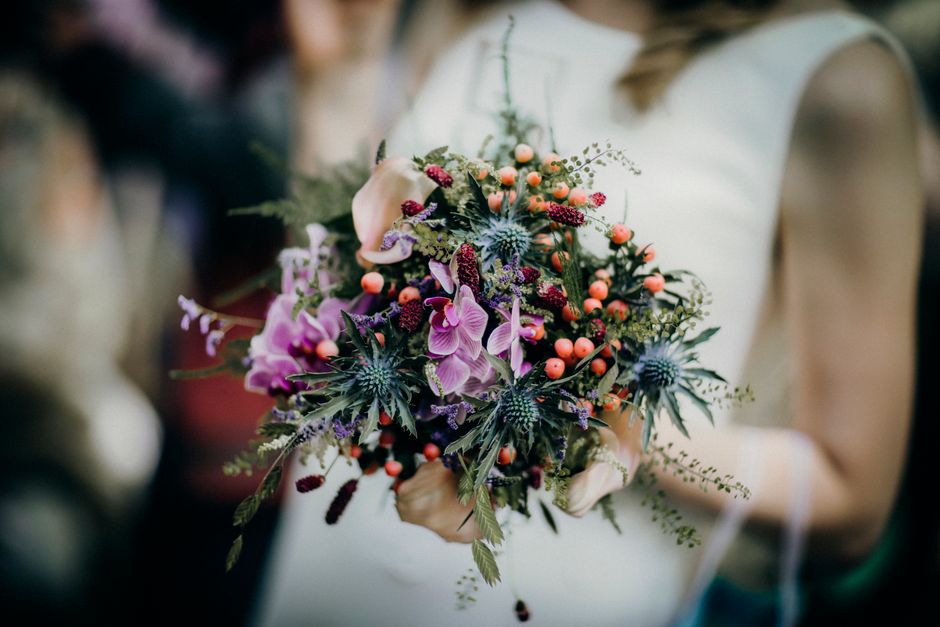
Common mistakes when booking wedding flowers in Kentish Town
Posted on 04/11/2026
Booking wedding flowers sounds simple until you start comparing bouquets, centrepieces, buttonholes, delivery windows, and budgets, all while trying to keep the day feeling calm and personal. The common mistakes when booking wedding flowers in Kentish Town are usually not dramatic disasters. They are small oversights that snowball: leaving it too late, underestimating costs, forgetting venue restrictions, or choosing flowers that look lovely online but won't suit your space in real life.
If you are planning a wedding in NW5, you probably already know that Kentish Town weddings can be wonderfully varied. One couple might be in a compact local venue with limited setup time; another may be juggling a church ceremony, a reception in another part of London, and a tight turnaround. That is exactly why the details matter. In this guide, we'll walk through the mistakes to avoid, what good planning looks like, and how to make sensible decisions without losing the fun of choosing your flowers.
Think of this as the advice you wish someone had given you before the first florist chat.
Table of Contents
- Why common mistakes when booking wedding flowers in Kentish Town matters
- How booking wedding flowers works
- Key benefits and practical advantages
- Who this is for and when it makes sense
- Step-by-step guidance
- Expert tips for better results
- Common mistakes to avoid
- Tools, resources and recommendations
- Law, compliance, standards, or best practice
- Options, methods, or comparison table
- Case study or real-world example
- Practical checklist
- Conclusion
- Frequently asked questions
Why Common mistakes when booking wedding flowers in Kentish Town Matters
Flowers do a lot more than decorate a room. They shape the mood of the day, tie the colour palette together, soften awkward spaces, and make photographs feel finished rather than pieced together at the last minute. In a busy London area like Kentish Town, where venues, access, and timing can all vary, booking wedding flowers well is partly creative and partly logistical. That mix is where mistakes happen.
When couples get it right, the flowers support the day without creating stress. When they get it wrong, the issues tend to show up at the worst possible moment: the morning setup, the ceremony start, or the reception transition when everyone is already busy with coats, seating, and speeches. To be fair, nobody wants to be negotiating stem counts at 8:30am while someone's aunt is asking where the confetti has gone.
It matters because wedding flowers are not just a purchase. They are part of the whole experience. A clear brief, sensible budget, and realistic timing can save you from rushed decisions and awkward compromises later. And yes, the flowers should look beautiful, but they also need to work in the real world: in your venue, in the weather, and in the time you actually have.
Expert summary: The biggest flower booking problems are rarely about taste. They are usually about planning, communication, and assumptions. Once you treat flowers as both design and logistics, your choices get much easier.
How Common mistakes when booking wedding flowers in Kentish Town Works
Booking wedding flowers usually follows a fairly familiar process. You define the style you want, gather reference ideas, speak to a florist, agree a package or bespoke plan, confirm quantities, then finalise timings and delivery. That sounds straightforward. It often is. The tricky part is that every one of those steps includes decisions that can go wrong if they are rushed or vague.
What the process usually includes
- Initial ideas: colours, season, formality, and overall mood.
- Flower choices: roses, lilies, hydrangeas, peonies, mixed seasonal stems, and so on.
- Items needed: bridal bouquet, bridesmaid bouquets, buttonholes, table arrangements, ceremony flowers, and sometimes floral features for entrances or aisles.
- Delivery and setup: where the flowers go, who receives them, and when they need to arrive.
- Confirmation: final agreement on design, quantities, and any substitutions if specific blooms are unavailable.
The most common booking mistakes happen when one of those pieces is guessed rather than confirmed. For example, a couple may assume all bouquets can be delivered to the venue the morning of the wedding, only to discover the venue has no early access or no safe place to store arrangements. Or they may want a specific flower that looks lovely in winter photos but is awkward to source in a way that fits the budget. Small issue? Maybe. But they can cascade.
In our experience, the best bookings happen when the couple and florist have the same picture in mind. Not the same words. The same picture. That difference matters more than people realise.
Key Benefits and Practical Advantages
Getting your flower booking right gives you more than pretty arrangements. It gives you breathing room, and honestly, that is worth a lot on a wedding day.
- Less stress: you know what is being delivered, when, and where.
- Better design: flowers work with the venue instead of fighting it.
- More reliable budgeting: no surprise upgrades because key details were missed.
- Stronger photographs: bouquets, buttonholes, and table flowers all feel consistent.
- Fewer last-minute changes: which is a very good thing when the day is already moving fast.
There is also a less obvious benefit: better communication with everyone else involved. Once the flowers are planned properly, it becomes easier to coordinate the photographer, venue staff, and bridal party. That little flow of clarity can make the day feel calmer from the moment the first stems arrive.
And let's face it, wedding mornings are noisy enough without floral confusion.
Who This Is For and When It Makes Sense
This advice is for anyone booking wedding flowers in Kentish Town, whether you are planning a small civil ceremony, a church service, a reception with table arrangements, or a larger London wedding with lots of moving parts. It is especially useful if you are:
- planning a wedding on a tight timeline;
- working with a fixed budget;
- trying to match flowers to a specific venue;
- not sure how many items you actually need;
- worried about seasonal availability;
- booking from outside the area and relying on delivery.
It also makes sense for couples who are comparing quotes and finding it hard to tell whether one package is genuinely better value or just packaged more attractively. That happens a lot. A neat quote sheet can look reassuring, but the real question is whether the proposal matches your day.
If you already have a venue, a date, and a rough style direction, this is the ideal time to start the floral planning. If you are still in the early browsing stage, use this guide to avoid falling in love with arrangements that are beautiful but impractical. It saves heartache later. Not dramatic heartache, just the annoying kind.
Step-by-Step Guidance
1. Start with the venue and schedule
Before choosing flowers, think about the space they need to work in. A narrow church aisle, a compact restaurant reception, or a large hall with high ceilings each calls for a different approach. Ask yourself where the bridal bouquet will be held, where buttonholes will be pinned, and where arrangements will sit once the ceremony ends.
2. Define your floral priorities
Not every item needs the same budget share. For some couples, the bridal bouquet is the hero piece and table flowers are kept simple. For others, the ceremony backdrop matters most because it anchors all the photos. Decide what you want guests to notice first. That is the anchor.
3. Be realistic about season and availability
Seasonal flowers can be stunning and more cost-effective, but if you are set on blooms that are out of season, the price and sourcing challenge may rise. A good florist will tell you this clearly. If they don't, ask. Politely, of course.
4. Confirm quantities, not just "the look"
A lot of mistakes happen because the couple approves a mood board without confirming the actual items included. A bouquet is not the same as a bouquet plus bridesmaid pieces, buttonholes, and table stems. Count everything. It sounds obvious, yet it is one of the easiest things to miss.
5. Check delivery and setup details
Where will the flowers be delivered? Who signs for them? Is there a narrow window for access? Will anyone move arrangements between locations? These are not boring admin details. They are the practical backbone of the booking.
6. Finalise substitutions in advance
Good florists often work with living materials, so substitutions can happen if a particular bloom is unavailable. The important bit is that you agree the style rules in advance. For example: keep the palette soft and romantic, but never replace white roses with something high-contrast. That sort of guidance helps everyone.
7. Keep one point of contact
Too many voices can muddy the plan. Choose one person to handle floral decisions and approve the final design. It does not have to be the bride, by the way. It can be whoever has the calmest head and the best eye for detail.
Expert Tips for Better Results
The best flower bookings are rarely the ones with the biggest budgets. They are the ones with the clearest thinking.
- Bring photos, but bring notes too: images help with style, but words explain what you actually like about them. Is it the shape, the colour, the fullness, or the texture?
- Use a colour story: soft blush, ivory, sage, and pale lilac tells a florist more than "romantic but modern".
- Think about texture as well as colour: mixed blooms, greenery, and focal flowers can change the entire feel.
- Ask what is included in the quote: vases, ribbons, delivery, setup, collection, and extras are easy to assume wrongly.
- Plan for photography: if you want bouquet shots in the morning light, mention that early. It genuinely helps.
One small but useful tip: ask to see examples of work that feel similar to your venue or season. Not because you want to copy anything exactly, but because it helps you judge scale and finish. A bouquet that looks lush in a close-up may read very differently in a large room. That's just the reality of it.
If you are working with a florist in Kentish Town or nearby, it also helps to talk honestly about the venue access. In London, access can be the quiet troublemaker: stairs, lifts, loading spaces, parking, time slots. Flowers are beautiful, but they still need to get through the door.

Common Mistakes to Avoid
Here is the heart of it. These are the mistakes that most often trip people up when booking wedding flowers in Kentish Town.
1. Booking too late
This is the classic one. Popular dates fill up, especially in spring and summer. Leave it too long and you may have fewer design options, less choice of flowers, or a rushed consultation. Even if a florist can still help, the best work usually comes from having time to plan properly.
2. Not setting a real budget
"We don't know yet" is a fair starting point, but it is not a plan. If you don't set a realistic figure, you can end up being shown options that are lovely but out of reach, which is awkward for everyone. A budget range is more useful than silence.
3. Assuming every venue can handle the same floral style
What looks perfect in one room may feel too much or too little in another. Small tables, dark interiors, low ceilings, and limited access all affect the final design. A grand arrangement can overwhelm a small space. A tiny bouquet can disappear in a big setting.
4. Ignoring transport and handling
Flowers are fragile. Heat, bumps, and delays matter. If your plan involves moving arrangements between locations, ask how they will be protected and who is responsible for each handover.
5. Being vague about preferences
"Something elegant" is nice, but it is too broad on its own. You may mean classic roses and greenery; someone else hears bright, formal, and structured. Better to describe what you want to avoid as well as what you want to include.
6. Over-ordering without purpose
More flowers do not always mean better design. Sometimes the best result is a few strong arrangements and a carefully chosen bouquet. Extra items can drain the budget without improving the overall look. It happens, and it is easy to get carried away when everything is pretty.
7. Forgetting the practical items
Buttonholes, corsages, flower girl pieces, and table flowers are easy to overlook when everyone is focused on the bridal bouquet. Then, right before the wedding, the missing pieces become a scramble. Better to list every floral item from the start.
8. Not checking substitutions and flower care
Some blooms are delicate. Others are seasonal. If a florist needs to substitute, you should know the principle they will follow. It is also worth asking how the flowers should be stored once delivered, especially if there is a gap before the ceremony.
9. Forgetting the wider wedding style
Your flowers should sit comfortably beside dresses, linens, stationery, and venue decor. If the flowers and everything else are all shouting at once, the whole thing can feel muddled. A coordinated style feels calmer and more polished.
10. Choosing only by price
Cheap can be sensible. But cheap without clarity is risky. A low quote may exclude delivery, setup, or key items. Compare like with like, or the numbers won't tell you much.
| Approach | What it feels like | Risk level | Best for |
|---|---|---|---|
| Last-minute booking | Fast but slightly chaotic | High | Very simple floral needs only |
| Budget-first planning | Controlled and practical | Medium | Most couples who need clarity |
| Style-first planning | Creative and inspired | Medium | Couples with strong visual ideas |
| Venue-led planning | Highly organised and realistic | Low | Weddings with access or space constraints |
Tools, Resources and Recommendations
You do not need fancy tools to book wedding flowers well. A notebook, a phone camera, and a few clear questions will get you surprisingly far.
- A mood board: save a small set of images that show colour, shape, and style.
- A guest and supplier list: this helps you count buttonholes, bouquets, and table pieces.
- A venue plan: even a rough sketch is useful for understanding where flowers will go.
- A budget breakdown: keep floral priorities separate from optional extras.
- A wedding timeline: delivery windows, setup times, and ceremony start matter more than people expect.
If you are still deciding between flower shops in the area, comparing services can help. A local florist can be especially useful if you want a better feel for availability and delivery planning. For example, browsing a dedicated florist in Kentish Town NW5 or reviewing wedding flowers in Kentish Town NW5 can make the next step much easier.
For couples who need a fuller range of styles, it can also help to look at wedding collections and specific pieces such as bridal bouquets, bridesmaid bouquets, buttonholes, and table arrangements. Those pages make it easier to see how the different elements work together in a real wedding setting.
If you are comparing style options, a few more useful starting points are SI wedding collection, White Wonders wedding collection, and The Perfect Match wedding collection. Not because you must buy a set. More because seeing a cohesive design can help you decide what you like.
Law, Compliance, Standards, or Best Practice
Wedding flowers are not heavily regulated in the way some other services are, but there are still practical standards and legal considerations worth respecting. If a florist delivers and installs flowers, they should be clear about what is included, the delivery area, any collection arrangements, and the conditions of sale. That kind of clarity is not just courteous; it helps avoid disputes later.
Best practice also means being transparent about substitutions, timing, and responsibility for items once delivered. If arrangements are left at a venue, it should be clear who is accepting them and who is arranging any movement after delivery. That matters in London, where venues can be busy and handovers can get messy if they are not planned.
You should also expect sensible attention to freshness, handling, and customer care. A florist should explain flower care in plain language, especially if bouquets need to be kept cool or away from direct sun before the ceremony. Some of this sounds obvious, but on a busy wedding day obvious things are the first to disappear.
If a business has terms and conditions, returns and refund information, delivery details, privacy policy, and guarantees, those are worth reviewing before you commit. They tell you how the florist works and what level of reliability you can expect. That is not exciting reading, admittedly, but it is useful.
Options, Methods, or Comparison Table
When booking wedding flowers, couples usually choose between three broad approaches: bespoke design, collection-based ordering, or a simplified florist-choice style. Each has its place.
| Option | Pros | Cons | Best when |
|---|---|---|---|
| Bespoke design | Highly personal, tailored to venue and palette | Needs more time and clear communication | You want a specific look and a more individual result |
| Collection-based ordering | Easier to compare, often more structured | Less flexible for unusual requests | You want a neat package and predictable planning |
| Florist-choice style | Can be cost-effective and efficient | Less control over every bloom | You trust the florist and want a looser brief |
There is no single right answer. A big, detailed wedding may benefit from bespoke planning. A smaller, more relaxed celebration might be perfectly served by a simpler collection. The mistake is not choosing one method over another. The mistake is choosing a method that does not match your time, budget, or expectations.
Case Study or Real-World Example
A couple planning a wedding in Kentish Town wanted a soft, romantic look with white and blush flowers. Lovely idea. Very sensible. But they nearly ran into trouble because they had only discussed the bridal bouquet and ceremony flowers. Table arrangements, buttonholes, and the bridesmaid bouquets were still undecided two weeks before final confirmation.
Once the florist asked a few practical questions, the gaps became obvious. The reception room was smaller than expected, the couple needed flowers delivered before the photographer arrived, and the ceremony was set to begin just after lunch. Suddenly the plan needed tightening. Not a problem, exactly, but it was a reminder that the floral picture had to match the wedding timetable.
They simplified some of the table work, kept the bouquet design strong, and used the same flower family across the bridal and bridesmaid pieces so the whole day still felt cohesive. The result was calm, elegant, and not overworked. Most importantly, they were not trying to solve it on the morning itself. That is the win.
It is a small example, but it reflects what happens again and again: once the practical details are checked early, the design becomes easier, not harder.
Practical Checklist
Use this checklist before confirming your wedding flower booking:
- Have you set a realistic flower budget?
- Do you know your venue access times?
- Have you listed every floral item you need?
- Are your colours and style clear enough to explain in plain words?
- Do you know which flowers are seasonal and which may need substitutes?
- Have you checked whether delivery, setup, and collection are included?
- Do you know who will receive the flowers on the day?
- Have you discussed storage and handling before the ceremony?
- Are your timings aligned with photography and guest arrival?
- Have you reviewed the florist's terms, guarantees, and delivery information?
If you can answer yes to most of those, you are already ahead of the pack. Honestly, a lot ahead.
Conclusion
The common mistakes when booking wedding flowers in Kentish Town usually come down to three things: rushing, guessing, and assuming. Once you slow the process down just enough to check the venue, budget, timing, and floral priorities, the whole experience becomes easier. Better still, it becomes more enjoyable. That is the part people sometimes forget.
Flowers should support the day, not complicate it. They should feel like a natural extension of your wedding rather than one more detail to worry about. If you plan carefully, ask clear questions, and keep one eye on the practical side, you can end up with flowers that look beautiful and behave well on the day. A rare combination, but absolutely doable.
Get a free quote today and see how much you can save.
And when the day comes, with the bouquets tied and the tables set, it is lovely to know that this one part is quietly taken care of.
Frequently Asked Questions
How far in advance should I book wedding flowers in Kentish Town?
It is best to book as early as you can once your date and venue are confirmed. Popular wedding dates fill quickly, and earlier planning gives you more choice, more time to refine the design, and fewer last-minute compromises. If you are late, you may still find options, but the process becomes tighter.
What is the biggest mistake couples make with wedding flowers?
The biggest mistake is usually not setting out the full floral plan early enough. That includes bouquet styles, quantities, delivery timing, and venue access. People often focus on the bridal bouquet first and leave buttonholes, table flowers, and logistics until later. That is where trouble starts.
How do I know if my flower budget is realistic?
A realistic budget depends on the number of items, the flower types you want, and whether delivery and setup are included. If you want several arrangements plus larger display pieces, costs naturally rise. A florist should help you understand what your budget can comfortably cover before you commit.
Should I choose seasonal flowers for my wedding?
Seasonal flowers are often a sensible choice because they tend to be easier to source and can offer a better value. They also usually feel more natural for the time of year. That said, if a specific bloom matters to you, a florist can often suggest a close alternative that keeps the overall style intact.
Do I need separate flowers for the ceremony and reception?
Not always. Some couples reuse arrangements between spaces, while others prefer different pieces for each part of the day. It depends on your venue, timing, and how much moving of flowers is practical. If there is limited time between the ceremony and reception, simpler transfer plans tend to work better.
What should I ask a florist before booking?
Ask what is included in the price, how substitutions work, whether delivery and setup are covered, and how they handle timing on the wedding day. It is also sensible to ask about care instructions and what happens if your chosen flowers are unavailable. Clear answers are a good sign.
Can I book wedding flowers if I am planning from outside London?
Yes, absolutely. Many couples organise flowers remotely. The key is to be very clear about dates, addresses, access times, and any venue rules. Good photos, precise measurements, and one main contact person make remote planning much easier.
Is it better to book a wedding collection or go fully bespoke?
It depends on your priorities. A collection can be quicker and easier to compare, while a bespoke design gives you more control over the details. If you have a strong vision or a difficult venue layout, bespoke may suit you better. If you want something simple and well-structured, a collection may be ideal.
How do I avoid my flowers looking too similar to everyone else's?
Focus on the combination of colour, texture, bouquet shape, and the way the flowers fit your venue. Even with familiar blooms like roses or lilies, the final look can feel distinct if the palette and styling are handled thoughtfully. A good florist will help shape something that feels personal rather than generic.
What details are most often forgotten when booking wedding flowers?
Buttonholes, bridesmaid bouquets, storage instructions, delivery handover, and setup timing are often overlooked. People also forget to check whether the florist needs extra time to travel between locations. Those small details can make a big difference on the day.
Are there any legal checks I should make before confirming a florist?
You do not usually need complicated legal checks, but you should read the florist's terms and conditions, delivery information, refund policy, and any guarantees. It is also wise to confirm exactly what has been agreed in writing. That protects both sides and avoids misunderstandings later.
What if my chosen flowers are unavailable close to the wedding?
Ask in advance how substitutions will be handled. A sensible florist will explain the style rules they will follow if a bloom cannot be sourced. The best approach is to agree the overall look rather than obsessing over one exact stem. That way, the design still works even if one flower changes.
How can I keep wedding flowers looking fresh on the day?
Make sure you know how they should be stored before the ceremony and who is responsible for them once delivered. Keep them away from direct heat where possible, and follow the florist's care advice. Wedding flowers are living things, after all, not props in a box.
Can wedding flowers be delivered to a home first and then moved to the venue?
They can, but it adds another layer of handling and timing. If you are moving flowers yourself, ask whether that is sensible for the arrangements you have chosen. In many cases, direct delivery to the venue or ceremony location is simpler and safer.